iPhone Duo In-Depth
Apple's First Foldable — the Biggest iPhone Shift in 20 Years
1 AM Beijing time on September 10, at Apple Park. New CEO John Ternus's first event compressed Apple's seven-year foldable catch-up into a single book-style open-and-close. We break down every key spec and feature announced — in one article.
“iPhone Duo may be the most radical iPhone since the original.”
Core Specs at a Glance
Design: a Passport When Closed, a Tablet When Open
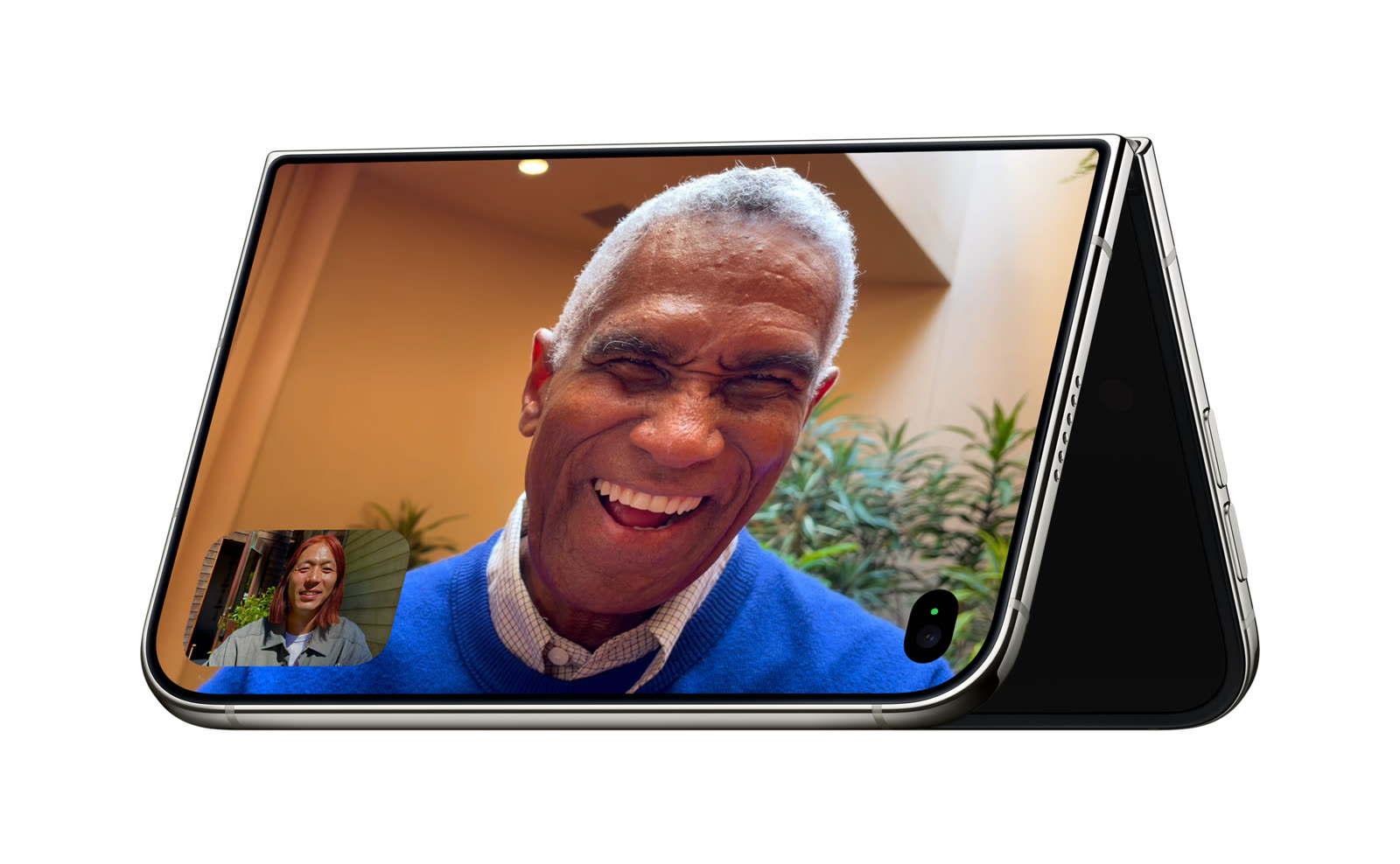
The iPhone Duo adopts a horizontal book-style inward fold. Folded, it is roughly the size of a passport and slides into a coat pocket; the 5.4-inch cover display handles everyday-phone duty — Apple says it offers over 90% of the iPhone 18 Pro's display area, with comfortable one-handed use.
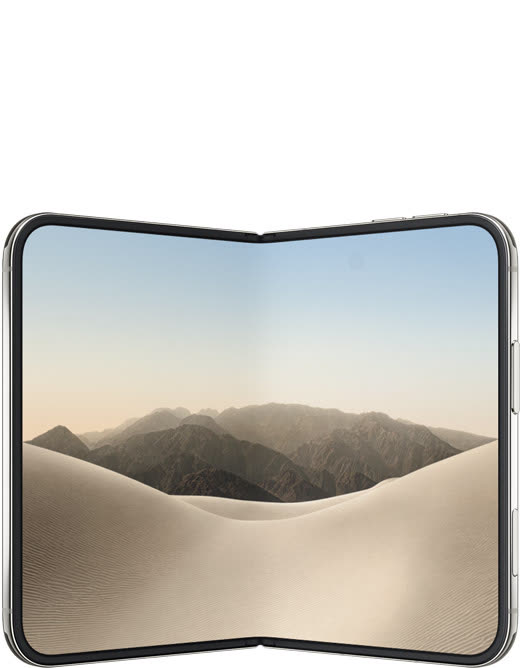
Unfold it and a 7.6-inch Super Retina XDR display fills your view — 50% more display area than the iPhone 18 Pro Max, close to an iPad mini. Crucially, both panels share the same aspect ratio, so content scales proportionally and continues seamlessly between folded and unfolded states — the first detail that separates Apple's foldable from most of the market.
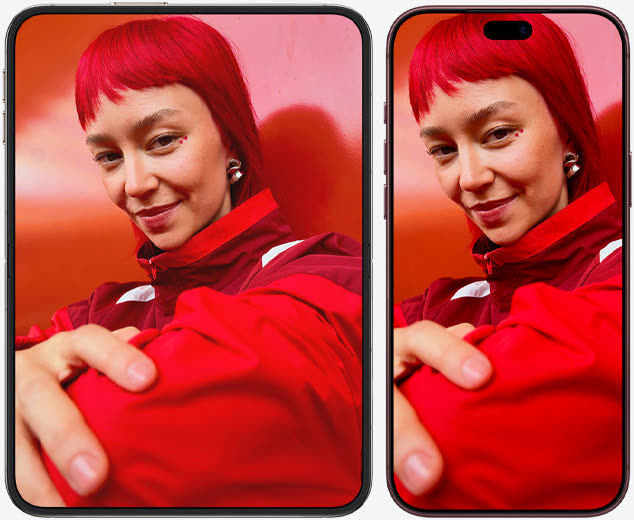
The inner panel is built from 10 ultra-thin layers with a special nano-texture surface that cuts glare while softening the crease; an under-display FaceTime camera stays invisible until needed, for a truly hole-free full screen. Peak brightness is 3,000 nits — still clearly readable in harsh outdoor light.
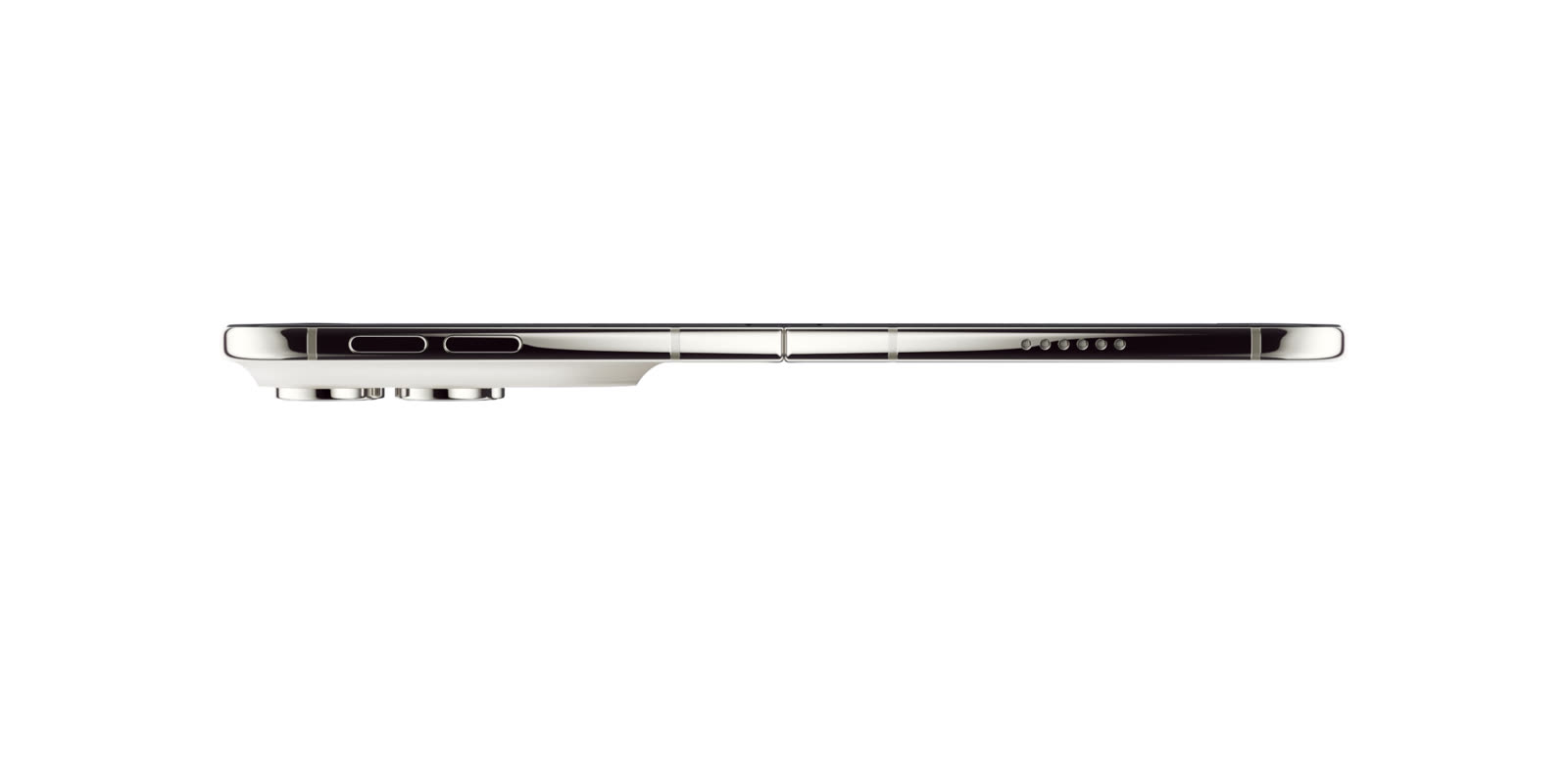
The frame is grade 5 titanium with an added central support rib for rigidity; ceramic fiber inserts at the antenna breaks further improve torsional strength, and the cover screen gets new Ceramic Shield 2. Unfolded, it is the thinnest iPhone Apple has ever made.
Hinge & Durability: 100+ Parts, All for an Invisible Crease
The hinge is the soul of any foldable, and Apple spent the most effort here. The iPhone Duo's hinge is built from over 100 precision components, with a variable-torque structure that fine-tunes opening resistance and an embedded magnet array that assists closing. The hinge supports the center of the display directly; combined with the internal ribs, overall stiffness rises significantly.
The OLED panel is sandwiched between ultra-thin protective glass layers, bonded with a custom adhesive that lets the layers shear against each other like book pages, preventing fatigue from long-term bending. Apple claims this multi-layer lamination is 40% more rigid than “other displays in the industry” and has survived hundreds of thousands of fold cycles in testing.
iOS 27: Rebuilt From the Ground Up for the Fold
Hardware only pays off when software delivers. iOS 27 was reworked around the foldable form: key controls move to both edges of the screen, the Dock turns vertical, and the status bar tucks into a corner to maximize vertical space. Switching displays keeps controls in place and scales content smoothly — it feels like “the same screen, bigger,” not “a different device.”
For multitasking, iOS 27 supports side-by-side apps, split-view multitasking and cross-screen handoff: two-pane mail, product comparison, replying while watching video, or reading a document during a meeting — all native. And with a body that can be posed freely, there are new tricks:
StandBy
Enter StandBy without charging — an instant bedside clock, photo frame, weather, calendar and widgets.
Multi-angle hover
Half-open it on a desk and watch on the cover screen; the system moves content away from the crease for easier touch.
Hands-free capture / calls
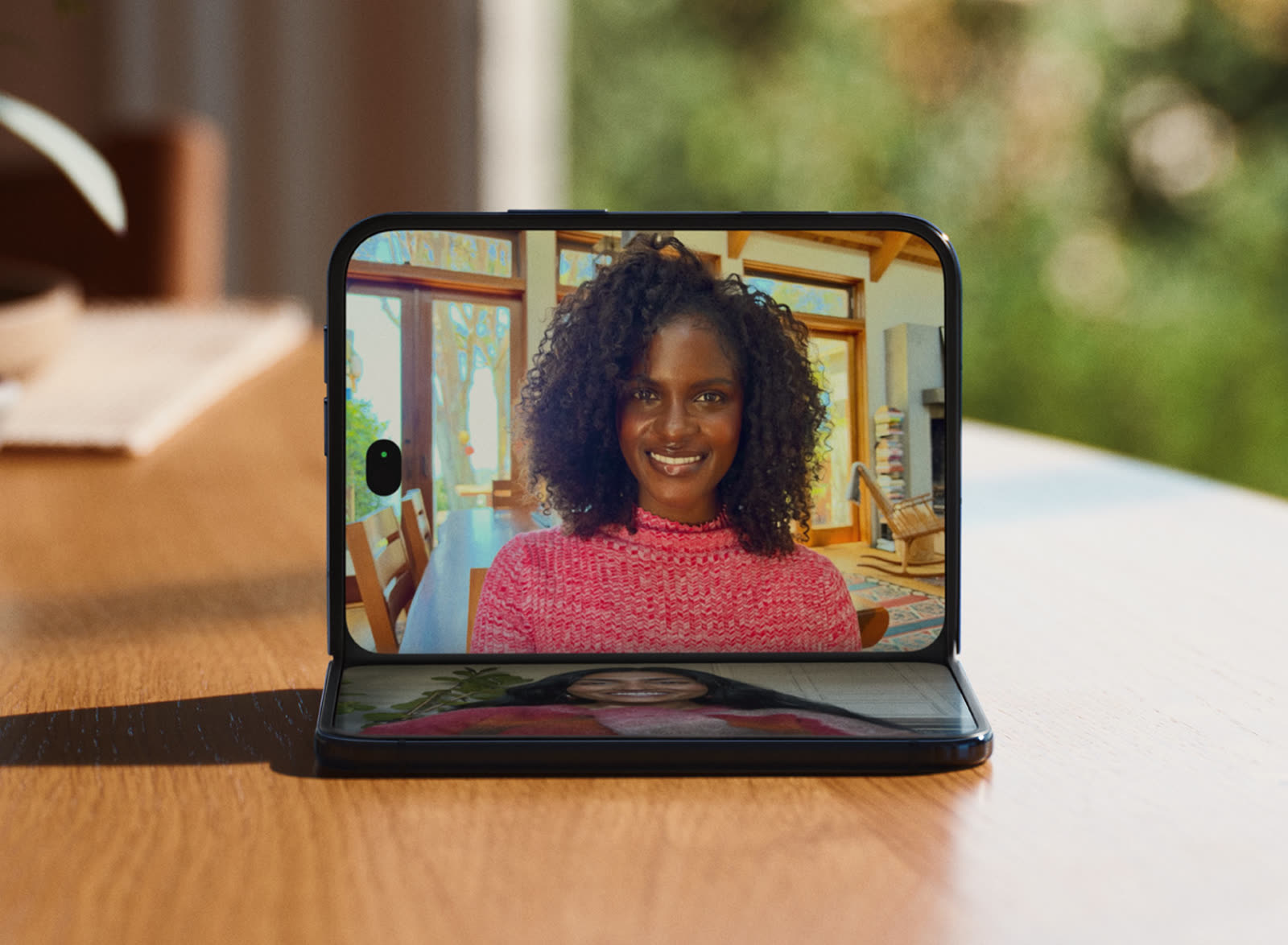
Fold it into a tent to shoot video or FaceTime hands-free — an instant desktop vlog rig.
Apple Pencil
Support later this year — take notes, sketch and annotate documents on both displays.
Cameras: New Ways to Shoot, Unlocked by the Fold
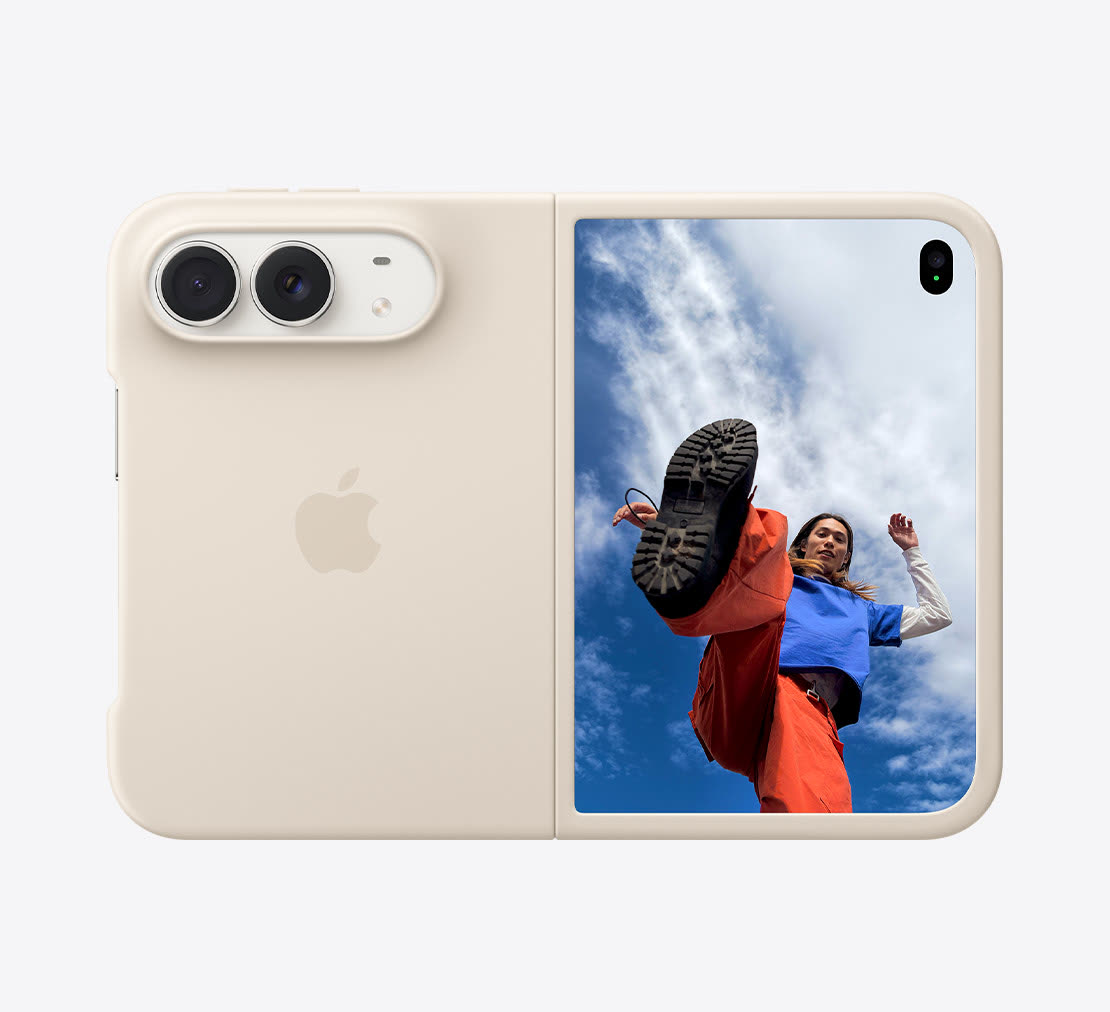
The iPhone Duo carries a 48MP Fusion dual camera: a Fusion Main (same sensor as the iPhone 18 Pro) plus a Fusion Ultra Wide, supporting 2x optical-quality zoom, 4K 120 fps Dolby Vision video and Photographic Styles 3. Up front there is a 12MP Center Stage camera, with an under-display FaceTime camera on the inner screen.
The truly interesting part is what the foldable form unlocks:
Rear-camera selfies
Shoot selfies with the 48MP main camera while previewing live on the cover screen — a big jump in selfie quality.
Duo Dual Preview
The live view shows on the cover display, so your subject can check pose and framing at any time.
Smart capture
Prop it up and it detects “everyone's ready” moments and fires the shutter automatically — no one missing from group photos.
Duo FaceTime
People around you can join the video call via the cover screen — one device serves a whole group.

Performance & Battery: 2nm A20 Pro + a First Dual-Battery iPhone
The iPhone Duo runs the same A20 Pro chip as the iPhone 18 Pro lineup, built on TSMC's 2nm process: a 6-core CPU up to 20% faster than A19 Pro, 50% more memory bandwidth, and a dual 16-core Neural Engine built for heavy on-device Apple Intelligence workloads. A vapor chamber is squeezed into the slim folding body to sustain peak performance.
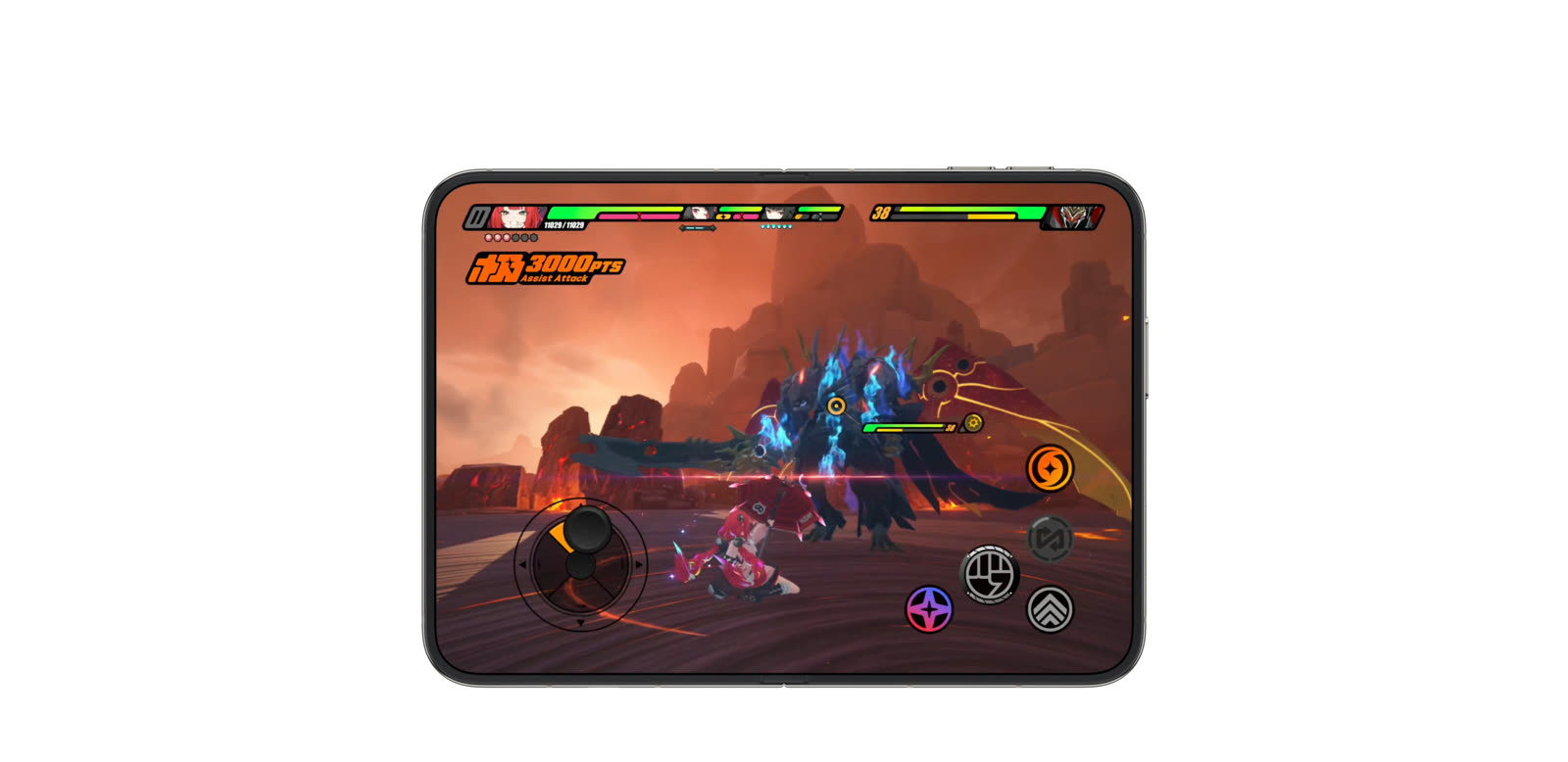
Battery life is the classic foldable weakness; Apple's answer is the first dual-battery system in an iPhone: two cells on either side of the body, working together with a rebalancing algorithm, with the space saved by the eSIM-only design handed back to the batteries. The scorecard:
For connectivity, the iPhone Duo debuts Apple's in-house C2 modem with Wi-Fi 7, Bluetooth 6 and mmWave 5G. Like the eSIM-only iPhone Air, it drops the physical SIM tray worldwide — users in mainland China complete eSIM real-name verification at a carrier store before activation.
Pricing & Availability: the Most Expensive iPhone Ever
The iPhone Duo comes in Starlight White and Midnight Black with four storage tiers, starting at ¥15,999 in mainland China — unsurprisingly the highest-priced iPhone ever, with the 2TB model the most expensive new product of the event.
| Storage | Colors | CN Price | 24-mo installment |
|---|---|---|---|
| 256GB | Starlight White / Midnight Black | ¥15,999 | ≈¥667/mo |
| 512GB | Starlight White / Midnight Black | ¥17,999 | ≈¥750/mo |
| 1TB | Starlight White / Midnight Black | ¥21,499 | ≈¥896/mo |
| 2TB | Starlight White / Midnight Black | ¥26,499 | ≈¥1,104/mo |
* Installments are 24-month interest-free estimates; final amounts per Apple checkout. US pricing starts at $1,999 (256GB) and $3,199 for 2TB, launching in 70+ markets.
Also Announced: iPhone 18 Pro Lineup
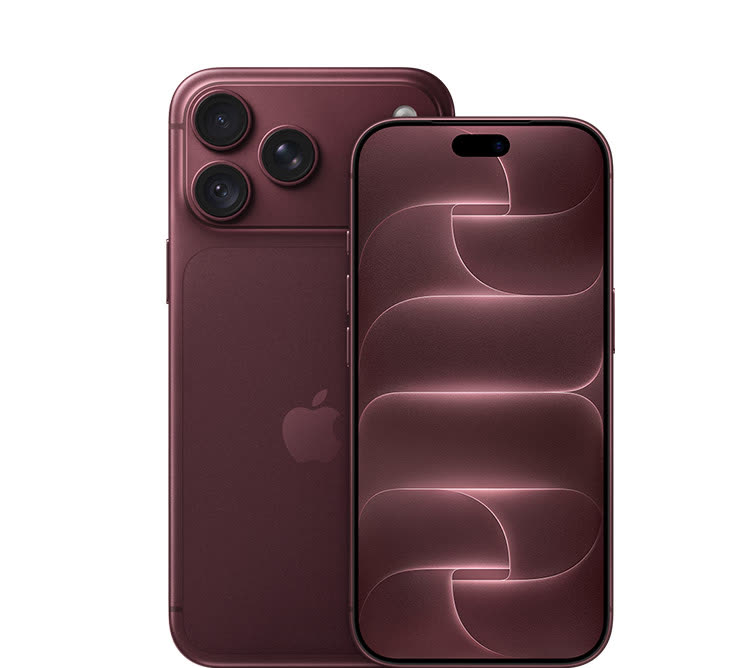
Sharing the stage is the conventional flagship iPhone 18 Pro / Pro Max: the same 2nm A20 Pro chip, the same 6.3 / 6.9-inch sizes, a variable-aperture 48MP main camera (f/1.48–f/4.0, four stops), a smaller Dynamic Island, C2 modem and 5G satellite, plus new Black, Glacier Blue, Burgundy and Silver finishes. CN pricing starts at ¥9,999 / ¥10,999 for 256GB, up ¥1,000 from the last generation; pre-orders September 12, on sale September 18. Apple Watch Series 12 / Ultra 4 and AirPods 5 were also announced.
Verdict: Real Upgrades vs. Trade-offs
From what the event showed, the iPhone Duo is far more than “a screen that folds”: same-ratio seamless display switching, a near-creaseless look from the 100+ component hinge, dual-battery + eSIM endurance, and iOS 27 rebuilt from the ground up — Apple turned seven years of catching up into late-mover integration. Of course, the trade-offs made for such extreme thinness are just as clear.
Highlights
- Thinnest iPhone ever + largest iPhone display, with same-ratio seamless switching
- 100+ component variable-torque hinge; 40% stiffer panel, excellent crease control
- 2nm A20 Pro + in-house C2 modem; dual battery delivers 44h on the cover screen
- Fold-native camera tricks: rear selfies, dual preview, smart capture
- iOS 27 built for the fold from the ground up; complete multitasking and hover experiences
Trade-offs
- No Face ID — Touch ID moves into the side power button
- eSIM-only worldwide; dual-SIM and physical-SIM users must adapt
- Dual rear cameras, no telephoto — below the Pro lineup's triple camera
- ¥15,999 starting price makes it a niche flagship by definition
- Not on sale until October 23; early supply expected to be tight
Bottom line: The significance of the iPhone Duo isn't that “Apple finally made a foldable” — it's that the foldable form finally got iPhone-grade completeness: software, hinge and battery, the three hardest problems, solved in one go. Is it worth a ¥15,999 starting price? We'll give our verdict once we go hands-on on October 23.